
Exploring the Rich Flavors of Moroccan Cuisine

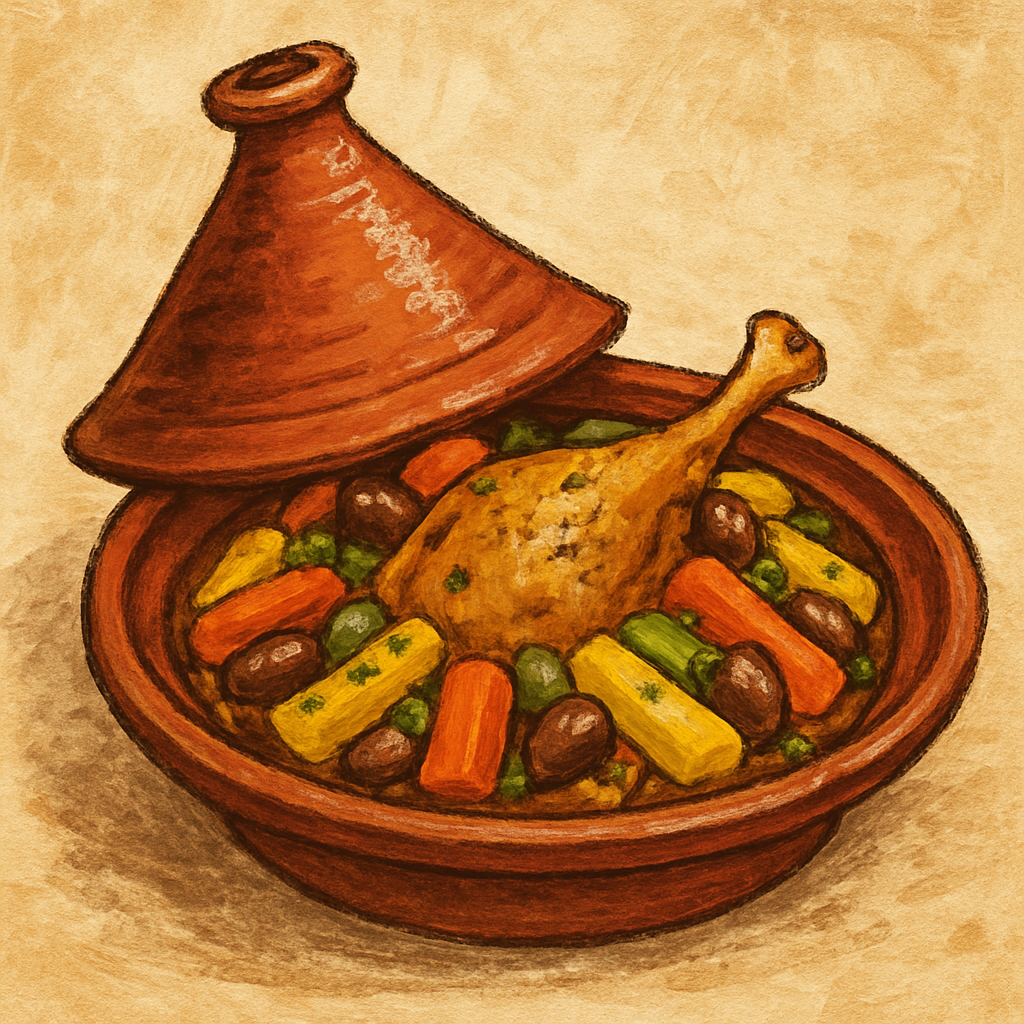
Moroccan cuisine is a vibrant and aromatic tapestry of flavors and textures that tell the story of its rich history and cultural diversity. The unique blend of spices, fresh ingredients, and traditional cooking techniques make Moroccan food an unforgettable culinary experience. Let’s embark on a journey to explore the essence of Moroccan cuisine, delve into its iconic dishes, and discover what makes it so special.

The Spice Symphony
The heart of Moroccan cuisine lies in its spices and herbs. Cumin, coriander, saffron, cinnamon, ginger, and paprika are just a few of the spices that are staples in Moroccan kitchens. These spices, often combined in a mixture called “ras el hanout,” create the distinctive flavors that define Moroccan dishes. Each spice contributes a unique note to the culinary symphony, crafting a complex and aromatic profile that is both enchanting and unforgettable.
Harmonizing Flavors: Sweet Meets Savory
Moroccan food is not just about the spices; it’s also about the balance of flavors. Sweet and savory elements often come together in harmony, creating dishes that are complex yet utterly delightful. The use of dried fruits like apricots, dates, and raisins alongside meats is a testament to this balance. This interplay of flavors is not accidental; it reflects the Moroccan philosophy of achieving equilibrium in every bite, making each dish a culinary masterpiece.
Fresh Ingredients: The Foundation of Flavor
In addition to spices, fresh ingredients play a crucial role in Moroccan cuisine. The fertile lands of Morocco offer a bounty of fresh produce, from vibrant vegetables to succulent meats. Local markets burst with colors and aromas, providing chefs and home cooks alike with the finest ingredients. Whether it’s the juiciness of a perfectly ripe tomato or the tenderness of freshly caught fish, the quality of these ingredients is the foundation upon which Moroccan dishes are built.
Iconic Moroccan Dishes
Tagine: A Slow-Cooked Masterpiece

The Art of Tagine Cooking
One of the most famous Moroccan dishes is the tagine, named after the earthenware pot in which it is cooked. The tagine pot’s conical lid allows steam to circulate, ensuring that the food is cooked slowly and evenly, preserving the flavors and tenderness of the ingredients. This slow cooking method is not just a technique; it’s an art form that has been perfected over generations.
Ingredients and Variations
Tagines can be made with a variety of ingredients, including lamb, chicken, or vegetables. They are often cooked with a mix of spices, olives, preserved lemons, and sometimes almonds or prunes. The result is a dish that is rich in flavor and aroma, perfect for savoring with family and friends. Each variation tells a different story, reflecting the diverse influences that have shaped Moroccan cuisine.
Cultural Significance
Beyond its culinary appeal, the tagine holds cultural significance in Moroccan society. It is a dish that brings people together, often served at communal gatherings and celebrations. Sharing a tagine is an expression of hospitality and warmth, embodying the spirit of Moroccan culture.
Couscous: A Moroccan Staple
The Tradition of Couscous
Couscous is another essential part of Moroccan cuisine and is considered a national dish. This small, steamed grain is often served with a stew of meat and vegetables, creating a satisfying and hearty meal. Couscous Fridays are a tradition in Morocco, where families gather to share this beloved dish, reinforcing family bonds and cultural traditions.
Mastering the Art of Preparation
The preparation of couscous is an art in itself. It involves steaming the grains multiple times to achieve the perfect light and fluffy texture. The dish is typically topped with a variety of vegetables and often accompanied by a spicy sauce called harissa. Mastering this technique requires patience and precision, transforming simple ingredients into a culinary delight.
Variations Across Regions
Different regions of Morocco have their unique takes on couscous, incorporating local ingredients and flavors. From the coastal cities to the mountainous regions, each variation offers a new taste experience, showcasing the diversity and adaptability of Moroccan cuisine.
Harira: A Hearty Soup
The Comfort of Harira
Harira is a traditional Moroccan soup, often enjoyed during Ramadan to break the fast. It’s a comforting, hearty soup made from tomatoes, lentils, chickpeas, and a blend of spices. Harira is usually served with dates and chebakia, a sesame cookie, adding a sweet contrast to the savory soup. This combination of flavors and textures makes it a beloved staple in Moroccan households.
A Nutritional Powerhouse
Beyond its comforting qualities, harira is a nutritional powerhouse, providing a balanced mix of proteins, carbohydrates, and essential vitamins. It’s a nourishing meal that sustains energy levels, making it ideal for fasting individuals and those seeking a wholesome meal.
Harira in Social Context
Sharing harira is a communal activity, often enjoyed with family and friends. It is a dish that fosters connection and conversation, embodying the social fabric of Moroccan life. Whether in a bustling city or a quiet village, harira is a universal symbol of Moroccan hospitality.
Moroccan Street Food Delights

B’stilla: A Sweet and Savory Pastry
The Layers of B’stilla
B’stilla is a unique Moroccan pastry that combines sweet and savory flavors in a flaky, delicate crust. Traditionally made with pigeon meat, it is now more commonly prepared with chicken. The filling includes eggs, almonds, and spices, all wrapped in thin layers of pastry and dusted with powdered sugar and cinnamon. Each layer adds a new dimension of flavor, creating a complex yet harmonious dish.
A Festival Favorite
B’stilla is often served at special occasions and festivals, making it a symbol of celebration and joy. Its intricate preparation and exquisite taste make it a highlight of Moroccan culinary traditions, cherished by locals and visitors alike.
Modern Interpretations
While b’stilla maintains its traditional roots, modern chefs are experimenting with new fillings and techniques. These contemporary interpretations offer a fresh take on a classic dish, appealing to adventurous palates while honoring its heritage.
Maakouda: Crispy Potato Fritters
The Allure of Maakouda
Maakouda are delightful potato fritters that are crispy on the outside and soft on the inside. These fritters are seasoned with spices and herbs, making them a flavorful snack or appetizer. They are often served with a side of spicy harissa sauce for an extra kick, adding a fiery contrast to the mild potatoes.
A Street Food Staple
Maakouda is a popular street food in Morocco, enjoyed by locals and tourists alike. Its portability and satisfying taste make it an ideal on-the-go snack, perfect for exploring the vibrant streets of Moroccan cities.
Homemade Delights
While maakouda is readily available from street vendors, making them at home allows for creativity and customization. Home cooks can experiment with different spices and ingredients, crafting a personalized version of this beloved snack.
Moroccan Tea Culture
The Ritual of Tea
No exploration of Moroccan cuisine is complete without mentioning Moroccan tea culture. Tea, especially mint tea, is a symbol of hospitality and is deeply ingrained in Moroccan social life. The preparation and serving of tea is an art, often performed with grace and elegance. It involves a series of precise steps, from boiling the water to pouring the tea from a height, creating a frothy top.
Mint Tea: A National Treasure
Moroccan mint tea, also known as “atai,” is made with green tea, fresh mint leaves, and sugar. It’s served in small glasses, often accompanied by a variety of sweets and pastries. This refreshing beverage is more than just a drink; it’s a ritual that embodies the warmth and generosity of Moroccan culture.
The Social Aspect of Tea
Sharing tea is a way of welcoming guests and fostering community bonds. It is a moment to pause, reflect, and connect with others, reinforcing the importance of relationships and hospitality in Moroccan society.
Cooking Moroccan at Home
The beauty of Moroccan cuisine is that it can be enjoyed anywhere in the world, even from the comfort of your home. With the right ingredients and a little patience, you can recreate the flavors of Morocco in your kitchen.
Essential Ingredients for Moroccan Cooking
Spice Essentials
To start cooking Moroccan dishes at home, stock up on some essential ingredients. Spices like cumin, coriander, cinnamon, ginger, paprika, and saffron are fundamental to achieving authentic flavors. Each spice brings a unique character to the dish, transforming simple recipes into exotic experiences.
Fresh Herbs and Aromatics
Herbs like fresh mint, cilantro, and parsley are also key components in Moroccan cooking. They add brightness and freshness to dishes, complementing the rich spices and enhancing overall flavor profiles. Preserved lemons and olives are also commonly used, providing tangy and briny notes that elevate traditional recipes.
Dried Fruits and Nuts
Dried fruits such as apricots, raisins, and dates are frequently used in both sweet and savory dishes. Their natural sweetness balances the bold spices, creating depth and complexity. Nuts like almonds and pine nuts add texture and richness, making Moroccan cuisine a multi-sensory experience.
Simple Moroccan Recipes to Try
Chicken Tagine with Apricots and Almonds
A fragrant and flavorful dish perfect for a cozy dinner. The combination of tender chicken, sweet apricots, and crunchy almonds creates a harmonious blend of textures and tastes. This dish is a testament to the balance of sweet and savory elements in Moroccan cuisine, offering a delightful culinary journey.
Vegetable Couscous
A versatile and hearty meal that’s easy to prepare and customize. By using seasonal vegetables and aromatic spices, you can create a vibrant and nutritious dish that reflects the essence of Moroccan cooking. This recipe is perfect for gatherings, bringing people together over a shared appreciation for good food.
Mint Tea
Refreshing and aromatic, perfect for any occasion. The process of brewing and serving mint tea is an experience in itself, inviting you to slow down and savor the moment. Whether enjoyed alone or with company, mint tea is a symbol of Moroccan hospitality and tradition.
Conclusion
Moroccan cuisine is a celebration of flavors, colors, and aromas that reflect the country’s rich cultural heritage. Whether you’re enjoying a traditional tagine or sipping mint tea with friends, each dish offers a glimpse into the heart of Morocco. By exploring these rich flavors, you’re not just tasting food; you’re experiencing a way of life.
Embark on Your Culinary Journey
So gather your ingredients, invite some friends over, and embark on a culinary journey to explore the vibrant world of Moroccan cuisine. Embrace the art of spice blending, the joy of communal dining, and the warmth of Moroccan hospitality. Bon appétit!
A Global Appreciation
As you delve into Moroccan cuisine, you’ll discover the universal appeal of its flavors and techniques. From professional chefs to home cooks, people around the world are embracing Moroccan dishes, appreciating their complexity and depth. This global appreciation is a testament to the timeless and boundless appeal of Moroccan culinary traditions.