
The Art and History of Moroccan Lamps


The Origins of Moroccan Lamps
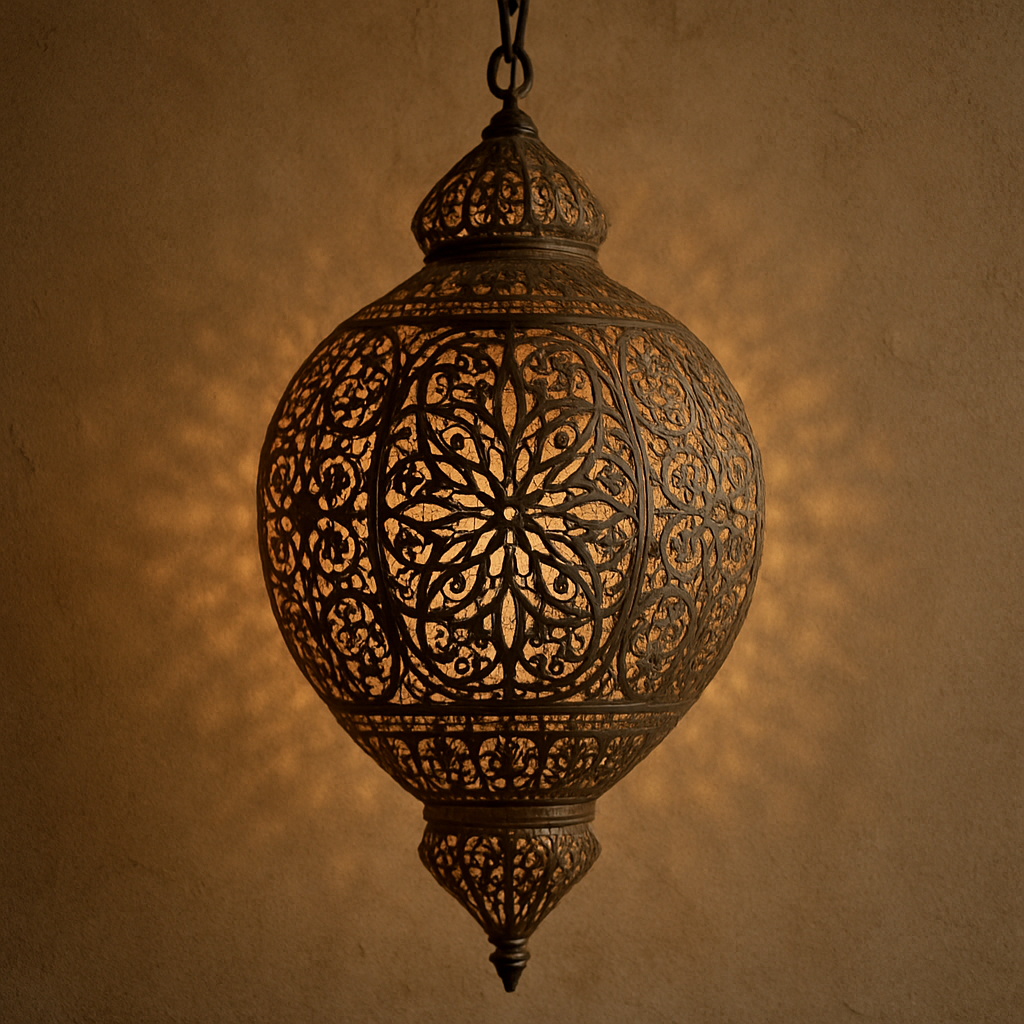
The history of Moroccan lamps dates back to ancient times when they were first crafted by skilled artisans in the bazaars of Morocco. These artisans used locally sourced materials such as brass, copper, and glass to create intricate designs that reflected the rich cultural heritage of the region. The lamps were initially designed to illuminate homes and mosques, serving both functional and decorative purposes.
The Influence of Moorish Art

The Making of Moroccan Lamps
Creating a Moroccan lamp is a meticulous process that requires a high level of craftsmanship. Artisans start by designing the lamp’s frame, usually made of brass or copper. They then cut intricate patterns into the metal, often using traditional tools passed down through generations. The cut metal is shaped into the desired form, whether it be a hanging lantern or a standing lamp.
The Role of Glass and Color
Glass is an essential component of Moroccan lamps, adding a vibrant splash of color to the intricate metalwork. Artisans carefully select glass pieces and fit them into the lamp’s design. The glass is often hand-painted or stained, creating a dazzling display of colors when the lamp is lit. The combination of colored glass and intricate metal patterns creates a warm and inviting ambiance, making Moroccan lamps a popular choice for home decor.
Cultural Significance of Moroccan Lamps
Moroccan lamps are not just decorative items; they hold cultural and historical significance. In Moroccan culture, lamps symbolize light and guidance, playing a vital role in religious and social gatherings. They are often used in celebrations and festivals, illuminating the night with their warm glow.
Lamps in Religious and Social Contexts
In mosques, Moroccan lamps are used to create a serene and spiritual atmosphere. The light from the lamps is believed to symbolize divine guidance, helping worshippers connect with their faith. In homes, lamps are used to welcome guests, embodying hospitality and warmth that is central to Moroccan culture.
Incorporating Moroccan Lamps into Modern Decor

Today, Moroccan lamps have found their way into homes around the world, admired for their unique design and cultural significance. They can be incorporated into various styles of decor, adding an exotic touch and a sense of history to any room.
Choosing the Right Moroccan Lamp
When selecting a Moroccan lamp for your home, consider the style and color scheme of the room. Moroccan lamps come in various shapes and sizes, from large hanging lanterns to small table lamps. Choose a lamp that complements the existing decor while adding a touch of Moroccan elegance. The lamp’s colors should harmonize with the room’s palette, creating a cohesive and inviting ambiance.
Placement and Lighting
Proper placement of a Moroccan lamp can enhance its beauty and functionality. Hanging lanterns are ideal for entryways or living rooms, where they can be admired by guests. Table lamps work well in bedrooms or reading nooks, providing a warm and cozy light for relaxation. Consider using dimmable bulbs to adjust the lamp’s brightness according to the mood and occasion.
The Global Appeal of Moroccan Decor
The allure of Moroccan decor extends beyond lamps, encompassing a wide range of home accessories such as rugs, cushions, and tiles. This style is characterized by its vibrant colors, intricate patterns, and a mix of textures, creating a visually captivating and culturally rich environment.
Combining Traditional and Modern Elements
Moroccan decor can be seamlessly integrated into modern interiors by combining traditional elements with contemporary design. For example, a Moroccan lamp can be paired with minimalist furniture, creating a striking contrast that highlights the lamp’s intricate details. Incorporating Moroccan decor into your home allows you to express your unique style while celebrating a rich cultural heritage.
Conclusion
Moroccan lamps are timeless pieces of art that embody the beauty and history of Moroccan culture. Their intricate designs, vibrant colors, and cultural significance make them a cherished addition to any home. By understanding the art and history of Moroccan lamps, you can appreciate their cultural value and incorporate them into your decor to create a warm and inviting space. Whether you are drawn to their aesthetic appeal or their rich history, Moroccan lamps are sure to illuminate your home with their enchanting glow.